
What Every Host Needs at the Top of Their Short-Term Rental Checklist

Understanding and meeting guest expectations makes all the difference between a one-time booking and a loyal returning guest. Airbnb guests are searching for more than just a place to rest their heads; they’re looking for a unique, personalized experience that combines the comforts of home with the amenities and standards of a hotel.
Guests anticipate seamless communication, superior cleanliness, and local insights. But above all, what guests want the most is the very thing they don’t even realize they need to look for: a safe and secure environment.
Safety, while paramount, is often an overlooked aspect in the short-term rental industry. It is an expectation that is held high by the standards of the hotel industry, but one that doesn’t even exist for vacation rentals. However, the same belief holds true, when a guest walks in, they trust that it’s not just a comfortable space but also a safe and secure environment.
Understanding Hospitality Law
Hospitality law covers legal matters related to the hospitality industry, which includes hotels, restaurants, bars, spas, and short-term rentals like Airbnb or Vrbo properties. At its core, hospitality law is about ensuring that all the transactions, processes, and interactions within this industry are carried out legally and ethically.
Hospitality law governs how hosts must ensure their properties are safe for guests to use. This could include regulations about:
- Fire safety, such as the need for smoke detectors and fire extinguishers in every property.
- Building regulations, such as maintaining structural integrity and ensuring the property meets accessibility standards.
- Health and hygiene regulations, such as cleanliness standards to prevent the spread of diseases.
As a host in the short-term rental market, understanding hospitality law, and specifically the safety aspects of it, is crucial. Not only does it help you offer a safer, more comfortable experience for your guests, but it also protects you from potential legal issues down the line.
Preparing to List Your Short-Term Rental? Get the Ultimate Host Checklist
Download the only checklist you’ll need to prepare your vacation rental for guest safety, liability protection, and rave-worthy stays.
Safety Expectations in Short-Term Rentals
It’s crucial for vacation rental hosts to not just meet but exceed safety expectations. A short-term rental property needs to be prepared for a variety of guests and abilities. By doing so, they can provide a safer, more enjoyable experience for their guests and potentially avoid legal issues down the line. In the next section, we’ll share some tips and best practices on how you can exceed these safety expectations in your short-term rental.
How to Meet Basic Safety Standards at Your Vacation Rental
As a host, creating a safe environment for your guests isn’t just about meeting the bare minimum requirements. It’s about taking proactive steps to ensure their safety and comfort throughout their stay.
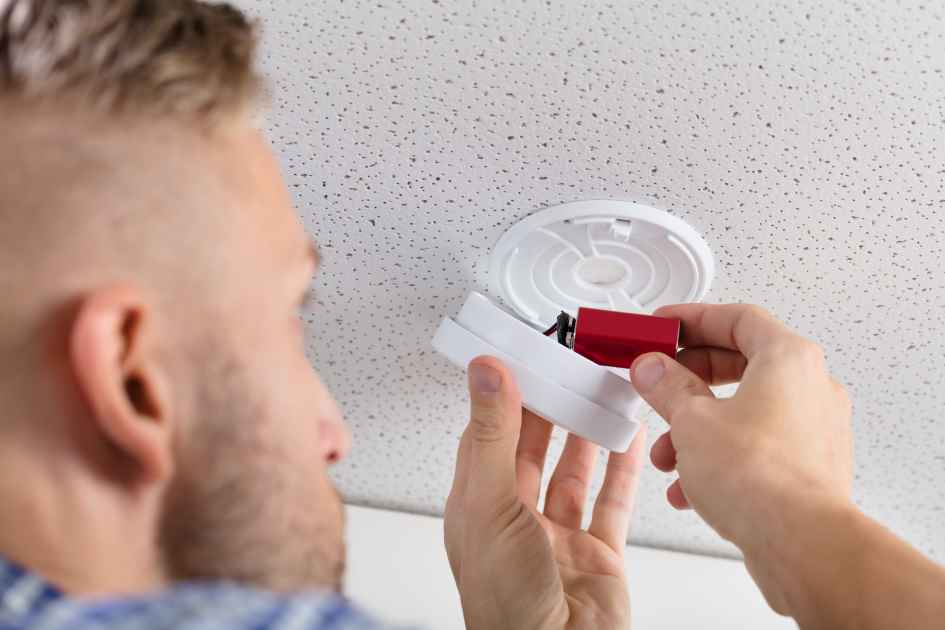
- Ensure Functioning Safety Devices & Alarms: Common safety expectations from short-term rental guests include functional locks on all doors and windows, as well as working smoke and carbon monoxide detectors.
- Provide Comprehensive Safety Information: Leave no room for ambiguity. Create a comprehensive guide that includes all safety-related information: from the location of fire extinguishers and first aid kits to emergency exit routes and contact numbers for local emergency services. Make this guide easily accessible to all guests.
- Regular Safety Checks: Regularly inspect your property for potential safety issues. This includes testing smoke and CO detectors, checking locks on doors and windows, and looking for any potential hazards that might have been overlooked.
- Create Safe, Clear, Well-Lit Walkways: Guests expect the property to be well-maintained to prevent accidents such as slips or falls. For instance, stairways should have handrails, rugs should be secured to prevent slipping, and any potential hazards like low ceilings or step-ups should be clearly marked.
- Preparation for All Ages: If you’re open to hosting families, consider every age that you might have at your property. This could include securing furniture to walls to prevent tipping, covering electrical outlets, and storing cleaning supplies out of reach. Don’t forget to consider potential hazards for older adults, such as loose rugs or poorly lit pathways.
- Invest in Quality Locks and Security Systems: Consider investing in high-quality locks for all entrances and exits. Additionally, a security system or outdoor cameras can provide an added layer of protection and peace of mind for your guests.
- Offer Personal Safety Amenities: Consider providing personal safety amenities like flashlights, a list of local hospitals or clinics, and even a basic first-aid course for guests who may be interested.
- Maintain Open Communication: Keep lines of communication open with your guests. Let them know they can reach out to you if they have any concerns or questions about their safety during their stay.
- Disclose Security Cameras Usage: Be sure to be upfront with your guests about the presence and location of security cameras at your property. Be mindful of where you place these cameras as people don’t like feeling watched while on vacation, and having a camera in the wrong area could result in an invasion of privacy lawsuit.
By taking these steps, you can not only meet but exceed the safety expectations of your guests. In doing so, you’re not only protecting your guests but also your business by reducing the risk of accidents and potential legal issues. Remember, a safe guest is a happy guest, and a happy guest is more likely to leave positive reviews and return for future stays.
The Airbnb Maintenance Checklist Most Hosts Skip
Safety isn’t only about what you add to a property, it’s about what you maintain. The systems most likely to fail between guests are the same ones that turn into expensive claims: a clogged dryer vent, a worn washing-machine hose, an aging detector. A quick maintenance pass on every turnover catches them before a guest does.
Work these into your regular short-term rental inspection:
- HVAC, heating, and kitchen appliances: Service your systems on a schedule instead of waiting for a guest to report a cold night or a warm fridge. A professional tune-up is almost always cheaper than a refund and a bad review.
- Dryer exhaust duct: Clean it at least once a year. A lint-packed vent is one of the most common and most preventable causes of a rental fire.
- Washing-machine hoses: Inspect them regularly for bulges, cracks, and leaks. A single failed hose can flood a unit and pull it off the booking calendar for weeks.
- Fuel-burning appliances: Have furnaces, water heaters, and gas ranges professionally serviced every year to guard against carbon monoxide leaks.
- Smoke and carbon monoxide detectors: According to the EPA, there should be at least one carbon monoxide detector on each floor of a building. Ideally, there should be a smoke detector on every level of the property, in all stairwells and hallways, and inside each bedroom. Test them at every turnover and replace them on the manufacturer’s schedule. A dead detector is worse than none—it reads as “handled.”
- According to the NFPA, you should replace smoke alarms every ten years. As for carbon monoxide detectors, replace them every seven to 10 years.
- Fire extinguishers: Keep one near every stove and fireplace, check the pressure gauge regularly, and replace any that are expired or discharged.
- Make sure there are fire extinguishers near all stoves and fireplaces in your rental, and inspect them regularly. The average shelf life of a fire extinguisher is five years, so be sure to replace them on time.
Here’s why maintenance belongs on a safety checklist and not just a chore list: when a covered loss like an electrical fire or a burst washing-machine hose forces you to close for repairs, the business revenue protection built into a true short-term rental policy helps replace the rental income you lose while the property sits offline. See what happens to your short-term rental income after a claim and how that plays out.
Legal Considerations and Liability with Airbnb Hosting
In addition to ensuring guest safety, hosts need to be aware of their legal responsibilities and potential liabilities. Ignorance of the law is no defense, and failure to comply with safety regulations can result in severe penalties, including fines, imprisonment, or both.
- Familiarize yourself with local laws and regulations related to short-term rentals. These can vary widely depending on your location, so it’s essential to do your research. Look into building codes, fire safety regulations, and health department rules that apply to your property.
- Invest in insurance. Ensure you have the correct and sufficient coverage for potential accidents or damages that could occur during a guest’s stay. Many standard policies fail to include the protections short-term rentals require, such as commercial liability. While platforms like Airbnb provide a supplemental liability program, these offerings are not actual insurance policies and should not replace your own insurance.
- By renting your property, you’re effectively running a business. This means you have a duty to take care of your guests. If a guest gets injured due to your negligence – for instance, if you failed to repair a broken staircase – you could be held liable.
- Consider a risk management consultation. Proper Insurance specializes in short-term rental insurance and has a team of Super Agents who are happy to review your current risk management plan and provide tips, solutions, and best practices.
Remember, being proactive about safety isn’t just about providing a great experience for your guests. It’s also about protecting yourself and your property from potential legal issues. By staying informed and taking the necessary precautions, your hosting journey can be successful and less stressful.
The Importance of Safety in Short-Term Rentals
The safety of your guests should always be a top priority when you’re hosting short-term rentals. It’s not just about meeting the minimum suggestions but going above and beyond to ensure that your guests feel safe and comfortable during their stay. By providing comprehensive safety information, conducting regular safety checks, preparing for every age group that will stay at your property, preparing your property for winter safety, and maintaining open communication, you can exceed guest expectations and create a memorable experience for them.
But it’s not just about the guests. As a host, you also need to protect your interests. Familiarize yourself with local laws and regulations, invest in the right insurance, understand your legal responsibilities, and seek legal advice when necessary. By doing so, you can mitigate potential risks and liabilities, ensuring a smooth and successful hosting journey.
In the end, a safe and secure rental property leads to happier guests, better reviews, repeat business, and peace of mind for you as a host. Safety is an essential aspect of hosting that can set you apart in the competitive short-term rental market.
Verify Your Insurance
It’s important to keep in mind that if your insurance provider is not asking questions about the safety measures put in place at your property or asking to see an online listing of your vacation rental, it’s highly likely that there are gaps in your insurance coverage. It’s smart to verify your insurance so that you understand what those gaps may be.
You can also simply contact one of our Super Agents to compare your current policy to the unmatched coverage offered by Proper Insurance. Upgrade your insurance to a Proper policy to completely replace your current Homeowners or Landlord policy. Give us a call at 888-631-6680 to receive a free comprehensive coverage comparison or submit a request for a quick 3-minute quote today.


