Kansas Airbnb Laws and Regulations – Updates for Hosts in the Sunflower State
Like many other states, Kansas is beginning to understand the importance of regulating short-term rentals. Updating current Airbnb laws and regulations, it strengthens protection for both hosts and rental guests. Hosts should continue to look for short-term rental updates within local municipalities.
If you have questions about short-term rentals in Kansas, contact Proper Insurance. Our agents are experts in the vacation rental industry. Call 888-631-6680 today.

Lawrence, Kansas STR Regulations
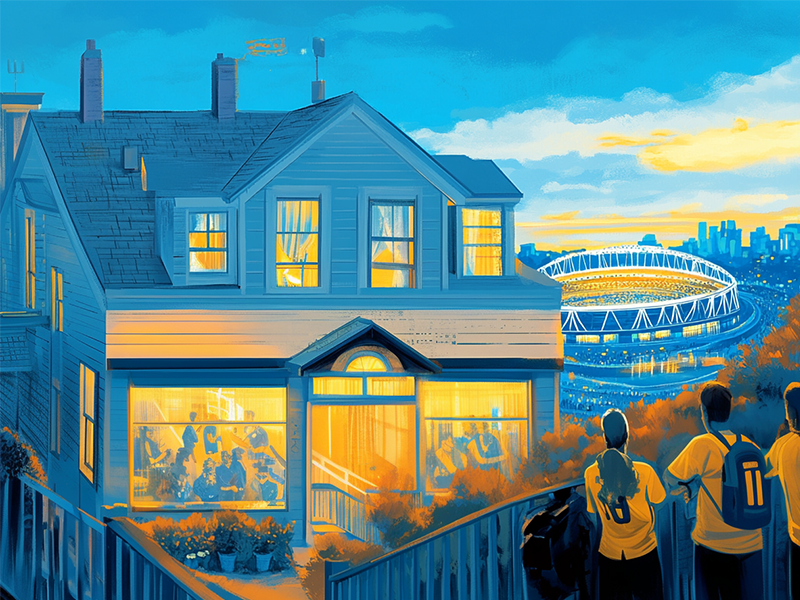
Adjusts Airbnb Laws and Regulations Ahead of 2026 World Cup
Lawrence, Kansas, regulates short‑term rentals (STRs) through the City Code of Lawrence via Ordinance No. 9740, introducing zoning-based restrictions on non-owner-occupied STRs and formalized licensing, inspection, and operational standards for all STR operators within city limits. In 2026, the City Commission adopted temporary amendments to expand lodging supply during the historic 2026 FIFA World Cup period, as it was announced that Lawrence’s Rock Chalk Park may serve as a training and recovery site for a national soccer team throughout the months-long tournament.
- Definition of Short-Term Rental: A short‑term rental in Lawrence is any residential property rented for fewer than 30 consecutive days.
- Licensing: All short-term rental operators in Lawrence must register for an account and obtain a annual Short-Term Rental License through the Enterprise Permitting & Licensing (EPL) Civic Access Portal. The license is required prior to operating any dwelling unit for stays of fewer than 30 consecutive days. License caps are limited to three per owner.
- Registration: STR license applications must include the rental property address, owner or responsible agent contact information, and documentation demonstrating compliance with the City’s inspection requirements. Licenses must be renewed annually and are non-transferable. Under the City Code, a single owner or licensee may not hold more than three active short-term rental licenses at any one time.
- Registrant Types: Lawrence distinguishes between Owner-Occupied and Non-Owner-Occupied short-term rentals. Owner-occupied STRs are those where the property owner resides on the premises. Non-owner-occupied STRs are operated as full-unit rentals where the owner does not live at the property.
- Zoning: Under current law, Non-Owner-Occupied short-term rentals are prohibited in RS (single-dwelling residential) and PD (planned development) zoning districts. An exception exists where the STR is an Accessory Dwelling Unit (ADU) or duplex located on an owner-occupied lot, and the unit is otherwise a lawful use of the property.
- 2026 World Cup Temporary Laws in Lawrence: During the designated World Cup period only, Lawrence approved temporary changes to increase available short-term lodging:
- World Cup Temporary License Cap: The three-license maximum per owner is temporarily suspended.
- Zoning: Non-owner-occupied STRs may operate in zoning districts where they are normally prohibited, including RS districts.
- Licensing & Inspections: All STRs must still be properly licensed and meet inspection and safety requirements; these obligations are not waived.
- Duration: Temporary provisions take effect May 25, 2026, and expire July 31, 2026, after which standard STR rules automatically resume.
- More Information: Official guidance, license applications, and inspection requirements are available through Lawrence’s how-to guide on applying for a rental property license.
Receive Regulations Updates
Join thousands of short-term rental professionals staying informed on emerging trends, real rental risks, and regulatory changes.
It’s once a month and only takes minutes to read.
"*" indicates required fields
Wichita, Kansas, Airbnb Rules
Requires a License and Has New Zoning Regulations
The city of Wichita has implemented new regulations for short-term rentals (STRs). These regulations aim to balance the growth of this industry with concerns about neighborhood livability and safety. To stay current on regulations, visit the city of Wichita’s website.
The following regulations are in place:
- Licensing: All short-term rentals require an annual license.
- Zoning: The city’s website breaks down the different zoning options into three categories: onsite owner, without onsite owner & stays shorter than 28 days, and without onsite owner or manager & at least 28 days. Each option has different zoning laws. Visit their website to learn more.
- Inspection: STRs are subject to inspections if a complaint is made. The property must be up to city codes including fire, building, and zoning. The STR license may be revoked until the property has passed all inspections.
- Minimum stay: One-night minimum allowed.
Quote Your Short-Term Vacation Rental Today
Interested in a policy to protect you and your business from liability and damage claims? Proper Insurance is the nation’s leading short-term vacation rental insurance provider, with the most comprehensive policy on the market. We protect homes in all 50 states and the District of Columbia with unmatched coverage for your property, revenue, and business liability, customized to include guest-caused theft/damage, liquor liability, amenity liability, bed bugs, squatters, and more.
Please note: The information provided is intended as a guide and may not be comprehensive or current. Regulations may change and could vary by area or situation. Always consult local authorities or a legal professional to ensure you have the most accurate information for your short-term rental property. If you have any additional information or updates relating to our posts, let us know at info@proper.insure.
Get the Updates You Need
Stay informed on regulatory changes, STR trends, and real short-term rental risks with our newsletter.
It’s once a month and only takes minutes to read.
"*" indicates required fields